

Discover the Magic of Street Food in Vietnam – Delicious and Affordable Dishes You Must Try
Street food in Vietnam: delicious and affordable dishes you must try. In a country where culinary tradition intermingles with modern flavors, the streets serve as a living testament to the nation’s rich gastronomic heritage. The aroma of sizzling meats, fresh herbs, and aromatic spices wafts through the air, drawing both locals and travelers alike into a vibrant world of culinary delights. This article takes you on a journey through Vietnam’s street food scene, where each dish tells a story, and every vendor showcases their unique artistry.
A Culinary Journey: Exploring Vietnam’s Vibrant Street Food Scene

The streets of Vietnam pulsate with energy, offering a sensory explosion that captures the essence of daily life. Street food is not merely a means of sustenance; it is an integral part of Vietnamese culture, reflecting the nation’s history, traditions, and communal spirit.
As you navigate bustling markets and lively street corners, you’ll discover that each region of Vietnam boasts its own distinct flavors and cooking styles. The diversity of ingredients and cooking techniques contributes to a culinary tapestry that is as rich and colorful as the landscapes of the country itself.
The Heart of Street Food Culture
Street food vendors often work in small stalls or makeshift kitchens, showcasing their culinary skills for passersby. The art of preparing street food has been passed down through generations, with recipes and techniques honed over time. These artisans are not just cooks; they are storytellers who share their family’s history through the dishes they create.
Many vendors start their day at dawn, preparing fresh ingredients and marinating meats before the sun rises. As the city awakens, the air fills with enticing aromas, beckoning those eager to indulge in a hearty breakfast or a quick snack. The atmosphere is electric, and you’ll find yourself drawn into the vibrant chaos of the market, surrounded by laughter, chatter, and the rhythmic sounds of cooking.
A Communal Experience
Street food in Vietnam transcends mere consumption; it fosters a sense of community among diners. Locals gather around shared tables, forging connections while savoring the same dishes. It’s common to see families enjoying meals together, sharing bowls of Pho or Banh Mi, creating an inviting atmosphere that encourages conversation and camaraderie.
Dining on the street also allows you to observe the daily lives of the Vietnamese people. Sitting on low stools outside a bustling stall, you can witness the hustle and bustle of the streets while indulging in mouthwatering offerings. This interaction makes each meal more than just food; it’s an experience steeped in cultural significance.
Must-Try Street Food Dishes in Vietnam: A Flavorful Adventure

Embarking on a street food adventure in Vietnam would be incomplete without exploring its most beloved dishes. While there are countless options to choose from, certain culinary gems stand out due to their unique flavors, textures, and cultural significance.
Pho: The Quintessential Vietnamese Noodle Soup
Pho is synonymous with Vietnamese cuisine and represents the heart of street food culture. This fragrant noodle soup, characterized by its aromatic broth, tender meat, and fresh herbs, is a must-try for any visitor.
Pho’s secret lies in the broth, which requires hours of simmering beef or chicken bones with a medley of spices and herbs. The resulting liquid is a clear, richly flavored elixir that serves as the foundation for the dish. When served, Pho is accompanied by rice noodles, thinly sliced meat (usually beef or chicken), and an assortment of garnishes like lime wedges, bean sprouts, and chili peppers.
Every region claims its variation of Pho, with Hanoi being particularly famous for its clear broth and minimal garnishes. Southern Pho tends to be sweeter and more loaded with toppings. Regardless of where you enjoy it, savoring a steaming bowl of Pho is essential to experiencing the warmth of Vietnamese hospitality.
Banh Mi: The Iconic Vietnamese Sandwich
Banh Mi is where French colonial influence meets Vietnamese ingenuity, resulting in a sandwich that has gained international acclaim. This delectable creation consists of a crispy baguette stuffed with a variety of fillings, including savory meats, pickled vegetables, fresh herbs, and creamy mayonnaise.
What sets Banh Mi apart is its versatility. From traditional fillings like pork liver pate and grilled meats to contemporary options like tofu and avocado, there’s a Banh Mi for everyone. The crunch of the baguette combined with the contrasting textures and flavors creates an unforgettable culinary experience.
For many locals, Banh Mi serves as a quick breakfast or lunch option. Vendors setting up shop early in the morning entice customers with the irresistible scent of freshly baked bread and sizzling ingredients. The sight of locals eagerly devouring these sandwiches speaks volumes about their popularity and deliciousness.
Bun Cha: A Taste of Hanoi
Bun Cha is another iconic dish hailing from Hanoi that deserves your attention. Comprising grilled pork patties and slices of belly served with rice vermicelli noodles, this dish offers a delightful balance of flavors and textures. Often enjoyed with a side of fresh herbs and a tangy dipping sauce, Bun Cha is a complete meal that encapsulates the essence of Vietnamese street food.
The preparation of Bun Cha involves marinating the pork in a blend of fish sauce, sugar, and spices before grilling it over charcoal, imparting a smoky flavor. Diners typically dip the noodles and grilled pork into the flavorful sauce, creating a harmonious blend of taste sensations.
Lunchtime is the best time to indulge in Bun Cha when vendors set up their grills along the streets, filling the air with tantalizing aromas. The dish reflects the convivial spirit of Vietnamese dining, encouraging sharing and enjoyment among friends and family.
Beyond Pho: Unveiling the Diverse World of Vietnamese Street Food
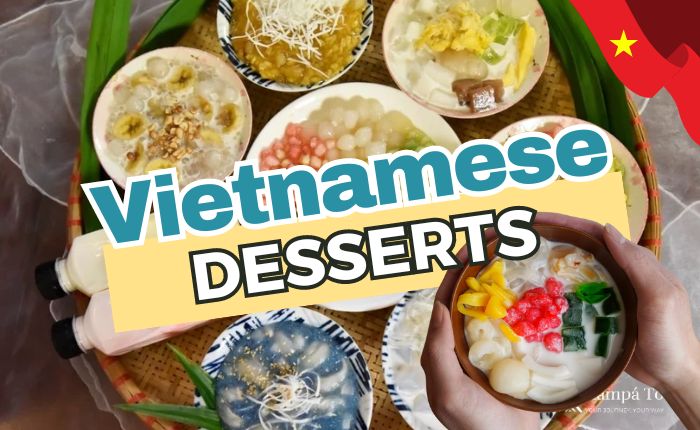
While Pho may be the flagship dish of Vietnam, the country’s street food landscape is brimming with variety. Each region presents a unique twist on familiar ingredients, allowing you to explore an abundance of flavors.
Traditional Dishes Reimagined
Vietnamese street food is known for its ability to adapt and innovate, transforming traditional recipes into exciting new creations. One such example is the evolution of “Cha Ca,” a dish made with marinated fish grilled over charcoal and served with turmeric-infused noodles and fresh herbs.
This dish beautifully showcases how street food vendors experiment with local ingredients, presenting diners with exciting combinations that highlight the country’s culinary creativity. The use of spices, herbs, and fresh produce elevates even the simplest of dishes to extraordinary heights.
Street Food Festivals and Markets
In addition to individual vendors, Vietnam hosts vibrant street food festivals and night markets, where visitors can sample a plethora of dishes from various regions all in one place. These events celebrate the country’s culinary heritage and offer a unique opportunity to experience the diverse flavors of Vietnam.
Markets often buzz with activity, featuring live cooking demonstrations and tastings, allowing attendees to witness the artistry behind each dish. This environment fosters a sense of excitement and discovery, as diners embark on a gastronomic journey through Vietnam’s rich culinary landscape.
The Rise of Gourmet Street Food
In recent years, there has been a trend of gourmet street food emerging in urban centers, where chefs take traditional recipes and elevate them with innovative twists. This movement highlights the versatility of Vietnamese cuisine and demonstrates that street food can be both accessible and refined.
These gourmet versions often incorporate unexpected ingredients, unique plating techniques, and creative presentations, while still maintaining the essence of the original dish. This fusion of street food and fine dining invites food lovers to explore new flavors while honoring the culinary roots of the past.
Affordable Gastronomy: Savoring Delicious Vietnamese Street Food on a Budget
One of the most appealing aspects of Vietnamese street food is its affordability. Whether you’re a backpacker exploring the streets of Ho Chi Minh City or a traveler seeking an authentic dining experience, street food provides a fantastic opportunity to eat well without breaking the bank.
Budget-Friendly Meals for Every Palate
Most street food dishes in Vietnam are priced affordably, making it accessible for anyone. You can enjoy a hearty serving of Pho or a satisfying Banh Mi for just a couple of dollars. This budget-friendly aspect allows for culinary exploration without financial constraints, encouraging diners to try multiple dishes in one outing.
Sharing is Caring
One of the joys of enjoying street food is the ability to share various dishes with friends, thus enhancing the overall experience. Instead of ordering a single meal, consider sampling several items from different vendors. This approach not only allows you to savor a wider array of flavors but also fosters a communal dining experience, reminiscent of traditional Vietnamese family meals.
Experiencing Local Life
Eating street food provides a glimpse into the everyday lives of the local population. By choosing to dine at street stalls, you support local vendors and contribute to the vibrancy of the community. Engaging with vendors and fellow diners enhances your understanding of Vietnamese culture, creating connections that transcend mere transactions.
From Banh Mi to Bun Cha: A Guide to Iconic Vietnamese Street Food Delights
Vietnam’s street food scene is a treasure trove of iconic dishes, each with its unique flavors and stories. Exploring these culinary delights is a journey filled with surprises and satisfaction.
Regional Variations and Specialties
Each region of Vietnam boasts its signature dishes, shaped by local ingredients and culinary traditions. For instance, in Da Nang, you might encounter “Mi Quang,” a turmeric-infused noodle dish topped with shrimp, pork, and fresh herbs. Meanwhile, the southern region is known for its “Hu Tieu,” a noodle soup that features seafood, pork, and a variety of herbs.
These regional specialties present an opportunity to gain insight into the diverse cultures and histories within Vietnam. As you travel from north to south, you’ll uncover a wealth of flavors that reflect the geography and climate of each area.
Seasonal Ingredients and Dishes
Vietnamese street food is heavily influenced by seasonal availability, ensuring that you always enjoy the freshest ingredients. Dishes often change based on what’s in season, giving you the chance to experience a true taste of Vietnam at its best.
During the rainy season, for example, you might find comforting soups and warm dishes dominating the menus, while the dry season brings forth refreshing salads and lighter fare. Embracing these seasonal changes adds another layer of richness to your culinary adventure.
Culinary Etiquette and Dining Customs
When exploring the world of Vietnamese street food, understanding local customs and etiquette enhances your experience. For instance, it’s customary to say “Xin chao” (hello) when approaching a vendor and to show gratitude by thanking them after your meal.
Additionally, many street food stalls encourage customers to enjoy their meals on-site, fostering a sense of community among diners. This practice allows you to fully immerse yourself in the vibrant atmosphere while savoring your chosen dishes.
The Art of Vietnamese Street Food: Tradition, Technique, and Taste
The preparation of street food in Vietnam requires skill, precision, and a deep understanding of flavor profiles. The dedication of vendors to their craft is evident in every dish they prepare.
Time-Honored Techniques
Many street food dishes rely on traditional cooking methods that have been passed down through generations. Vendors often start their day early, grinding spices, marinating meats, and preparing sauces to ensure that every ingredient is infused with flavor.
The emphasis on slow cooking and careful preparation is key to achieving the complex tastes that define Vietnamese cuisine. Each step of the process showcases the vendor’s commitment to quality and authenticity.
Fresh, Locally Sourced Ingredients
A hallmark of Vietnamese street food is the use of fresh, locally sourced ingredients. Many vendors cultivate relationships with nearby farmers and markets to procure the highest quality produce, herbs, and proteins.
This emphasis on freshness not only enhances the taste of dishes but also contributes to a sustainable food system that supports local communities. Diners can feel good knowing that their meals directly benefit the local economy.
The Balance of Flavors
Vietnamese cuisine is renowned for its intricate balance of flavors—sweet, sour, salty, spicy, and umami—all coming together in perfect harmony. This delicate equilibrium is achieved through the careful selection of ingredients and seasonings.
Vendors often rely on their intuition and experience to create dishes that do justice to this philosophy. As a result, every bite of street food becomes a burst of flavor that lingers long after the meal is over.
Where to Find the Best Street Food in Vietnam: A City-by-City Guide
Venturing into the streets of Vietnam, you’re bound to discover hidden gems and bustling stalls that serve the best street food. Here, we provide a guide to the top cities for street food enthusiasts.
Ho Chi Minh City: A Culinary Capital
Ho Chi Minh City, formerly known as Saigon, is a vibrant metropolis that offers an incredible array of street food options. From the bustling Ben Thanh Market to the lively alleyways of District 1, you’ll find countless vendors dishing out everything from Pho to fresh spring rolls.
Don’t miss out on trying “Com tam” (broken rice) served with grilled pork, as well as fried rice paper snacks that are a local favorite. The city’s dynamic street food scene ensures that you’ll never run out of delicious options to explore.
Hanoi: The Birthplace of Street Food
Hanoi, the capital of Vietnam, is famed for its culinary heritage and is home to some of the country’s most iconic dishes. Here, you can revel in the experience of savoring Bun Cha right where it originated, alongside other beloved specialties like “Xoi” (sticky rice) and “Banh Cuon” (steamed rice rolls).
Wandering through the Old Quarter, you’ll find numerous stalls bustling with activity, offering a feast for the senses. The experiences of eating street food in Hanoi are deeply intertwined with the city’s history and culture.
Da Nang: Coastal Delights
Da Nang, located along the stunning coastline, is known for its fresh seafood and regional specialties. Delight in the flavors of Mi Quang noodles, fresh seafood dishes, and sweet desserts made from coconut milk.
Explore the bustling markets where local vendors showcase their culinary creations. The coastal city offers a unique combination of beachside dining experiences and traditional street food.
Navigating the Vietnamese Street Food Scene: Tips and Etiquette for Foodies
Engaging with the street food scene in Vietnam can be a delightful yet overwhelming experience, especially for first-time visitors. To make the most of your culinary journey, here are some helpful tips and etiquette considerations to keep in mind.
Choose Busy Stalls
When selecting a street food vendor, look for busy stalls with long lines of locals. This is often a good indicator of quality and freshness. Popular vendors tend to have established reputations, catering to the tastes of the local community.
If you’re feeling adventurous, don’t hesitate to ask locals for recommendations. They often have insider knowledge on the best spots to sample authentic street food.
Be Open to New Experiences
Street food is all about exploration and embracing new flavors. Don’t shy away from trying unfamiliar dishes or ingredients. You may discover new favorites that you never expected to love.
Take a moment to engage with vendors and ask questions about the dishes. Many are excited to share the stories behind their food, enriching your experience and understanding of Vietnamese cuisine.
Practice Good Hygiene
While the majority of street food in Vietnam is safe to consume, it’s wise to exercise caution. Choose vendors that maintain cleanliness and have a steady flow of customers to ensure that the food is fresh.
If you’re unsure about a particular dish or vendor, trust your instincts. Your health and enjoyment should always come first.
Street Food and Culture: Understanding Vietnam Through its Culinary Offerings
Street food in Vietnam goes beyond the plate—it serves as a reflection of the nation’s culture and identity. Each dish carries a narrative that tells the story of the people, traditions, and history that shape the culinary landscape.
A Window into Daily Life
Eating street food gives you a glimpse into the daily lives of locals. The act of gathering around a stall, sharing food, and engaging in lively conversations fosters a sense of community. This aspect of street dining mirrors the values of unity and togetherness that are central to Vietnamese culture.
From early morning breakfasts to late-night snacks, street food plays a pivotal role in the rhythm of daily life. Observing the interactions between vendors and customers allows you to appreciate the nuances of social dynamics.
Celebrating Festivals and Traditions
Many street food dishes are tied to specific celebrations and traditions in Vietnam. During Tet (the Lunar New Year), special dishes like “Bánh Chưng” (square sticky rice cake) are prepared, symbolizing prosperity and family unity.
Participating in these culinary traditions during festive seasons enhances your understanding of Vietnamese culture and strengthens your connection to the country.
Preserving Culinary Heritage
As globalization influences culinary trends, preserving traditional street food practices becomes crucial. Advocates for street food culture strive to safeguard recipes, cooking methods, and the livelihoods of local vendors.
Support for street food helps maintain cultural diversity and sustains the legacy of Vietnamese cuisine for future generations. By indulging in street food, you participate in the preservation of culinary history.
The Appeal of Vietnamese Street Food: Authenticity, Freshness, and Flavour
The allure of Vietnamese street food lies in its authenticity, freshness, and remarkable flavors. Each dish resonates with a sense of place, inviting diners to experience the heart and soul of Vietnamese culture.
Authenticity in Every Bite
Street food vendors often take pride in their heritage and remain loyal to traditional recipes. This commitment to authenticity ensures that each dish retains its original character, allowing you to savor a genuine taste of Vietnam.
The personal touch that comes from these vendors creates a connection to the culinary traditions that span generations. With every bite, you can appreciate the stories that have shaped each dish over time.
Fresh Ingredients Matter
Freshness is a defining feature of Vietnamese street food. Vendors source ingredients locally and prepare their dishes on the spot, resulting in vibrant flavors and textures.
Whether it’s crunchy vegetables, fragrant herbs, or succulent meats, the emphasis on using high-quality ingredients elevates the dining experience. This freshness translates into dishes that are both satisfying and nourishing.
Flavor Profiles That Captivate
The complexity of flavors found in Vietnamese street food is unparalleled. The interplay of sweet, sour, salty, and spicy elements creates a culinary symphony that dances across the palate.
This diverse range of flavors reflects the geographical and cultural diversity of Vietnam. Each region contributes its unique spin on popular dishes, inviting diners to explore the endless possibilities of Vietnamese cuisine.
Conclusion
Street food in Vietnam offers an exhilarating adventure for food lovers and cultural enthusiasts alike. With its delicious and affordable dishes, the streets become a canvas for culinary creativity, celebrating the nation’s rich heritage and vibrant lifestyle.
By immersing yourself in the world of Vietnamese street food, you don’t just satisfy your hunger; you connect with the very essence of the country. From the bustling markets of Ho Chi Minh City to the intimate streets of Hanoi, the flavors and stories behind each dish invite you to discover the heart of Vietnam.
So, whether you’re slurping up a bowl of Pho, biting into a crispy Banh Mi, or savoring the smoky goodness of Bun Cha, embrace the opportunity to indulge in Vietnam’s culinary treasures. The street food in Vietnam isn’t just a meal; it’s a celebration of community, culture, and the joy of sharing good food with others.

