

Navigating Vietnam Visa and VIP Service FAQs
When planning a trip to Vietnam, understanding the intricacies of visa processes can make all the difference in ensuring a smooth and enjoyable experience. This article delves into Vietnam Visa and VIP Service Frequently Asked Questions, providing comprehensive insights for travelers seeking expedited services. From application procedures to airport assistance, we’ll explore how VIP options can enhance your journey, addressing common concerns with expert analysis and practical advice.
Vietnam Visa Application VIP Service: An Introduction

The concept of VIP services for visa applications in Vietnam represents a significant evolution in travel facilitation, offering premium support that goes beyond standard procedures. This service streamlines what can often be a cumbersome process, providing personalized assistance that caters to busy professionals, families, or high-profile individuals who value time and efficiency. By opting for VIP services, applicants can bypass long queues, receive expedited processing, and enjoy dedicated support from start to finish. This introduction sets the stage for understanding how these services not only simplify visa acquisition but also enhance the overall travel experience, making Vietnam’s vibrant culture and landscapes more accessible.
The Evolution of Visa Services in Vietnam
The landscape of visa services in Vietnam has transformed dramatically over the past decade, shifting from manual, paper-based systems to digital platforms integrated with VIP options. This evolution began with Vietnam’s economic boom and increased tourism, prompting the government to introduce e-visas and fast-track services to attract more visitors. Today, VIP services extend this by offering concierge-level support, where agents handle everything from form filling to embassy liaisons.
In my analysis, this shift reflects a broader global trend toward personalized travel experiences. For instance, while standard visas might take 5-7 business days, VIP services can reduce this to as little as 24 hours through prioritized channels. This isn’t just about speed; it’s about reducing stress for travelers. Imagine arriving in Hanoi without the worry of immigration delays—VIP services make this a reality by providing peace of mind through expert guidance.
Moreover, the integration of technology, such as mobile apps for real-time updates, adds another layer of convenience. From a personal perspective, having dealt with visa processes in various countries, Vietnam’s VIP offerings stand out for their proactive approach. They anticipate potential pitfalls, like document discrepancies, and address them preemptively, turning what could be a headache into a seamless process.
Key Features of VIP Visa Applications
VIP visa applications in Vietnam are characterized by several standout features that differentiate them from regular services. Firstly, they include dedicated customer support, where a personal advisor is assigned to guide you through each step, from initial consultation to visa approval. This level of service is particularly appealing for first-time visitors who might feel overwhelmed by the requirements.
Delving deeper, these features often encompass priority processing at embassies or online portals, ensuring your application jumps the queue. For example, while a standard tourist visa might require a visit to the embassy, VIP services can handle submissions remotely. In my view, this not only saves time but also minimizes exposure to bureaucratic inefficiencies that can plague international travel.
Additionally, VIP packages frequently include add-ons like travel insurance recommendations or cultural briefings, adding value beyond the visa itself. Personally, I see this as a smart investment for travelers; it’s akin to upgrading your flight for more legroom—it’s about enhancing the entire journey. By focusing on these elements, Vietnam positions itself as a forward-thinking destination that prioritizes user experience.
Benefits and Potential Drawbacks
While the benefits of VIP visa services are evident, it’s essential to weigh them against potential drawbacks to make an informed decision. On the positive side, these services offer time savings, reduced error rates, and enhanced security through verified processes, making them ideal for urgent trips or group travels.
However, costs can be a concern, as VIP options are pricier than standard applications. From an analytical standpoint, the premium might not justify the expense for budget travelers or those with flexible schedules. Yet, for high-net-worth individuals or business executives, the convenience often outweighs the cost. In my experience, the real drawback lies in over-reliance on third-party providers; if not chosen carefully, you might encounter unreliable services. Ultimately, understanding these trade-offs allows travelers to tailor their approach to Vietnam Visa and VIP Service Frequently Asked Questions.
Who Benefits Most from Vietnam Visa Fast Track Services?

Fast-track visa services in Vietnam are designed for those who need efficiency and reliability in their travel plans, making them a game-changer for specific demographics. These services cater to individuals facing tight schedules, such as business travelers, event attendees, or families with young children, by minimizing wait times and administrative hassles. By accelerating the process, fast-track options ensure that unforeseen delays don’t derail important plans, like attending a conference in Ho Chi Minh City or exploring the country’s scenic wonders without stress. This section explores the primary beneficiaries, offering insights into how these services align with various lifestyles and needs.
Business Professionals and Corporate Travelers
In the fast-paced world of business, time is a precious commodity, and Vietnam’s fast-track visa services provide a vital edge for professionals. These travelers often deal with last-minute meetings or international conferences, where delays could mean missed opportunities. For instance, a CEO traveling from Singapore might need a visa processed in under 48 hours to align with a business deal.
From my perspective, this service isn’t just about speed; it’s about maintaining productivity. Business travelers benefit from dedicated lanes at airports and pre-arranged approvals, allowing them to focus on negotiations rather than paperwork. However, I analyze that the real advantage lies in risk mitigation—for example, avoiding visa rejections due to minor errors, which can be costly in a corporate context. In essence, fast-track services empower professionals to navigate Vietnam’s business landscape with confidence.
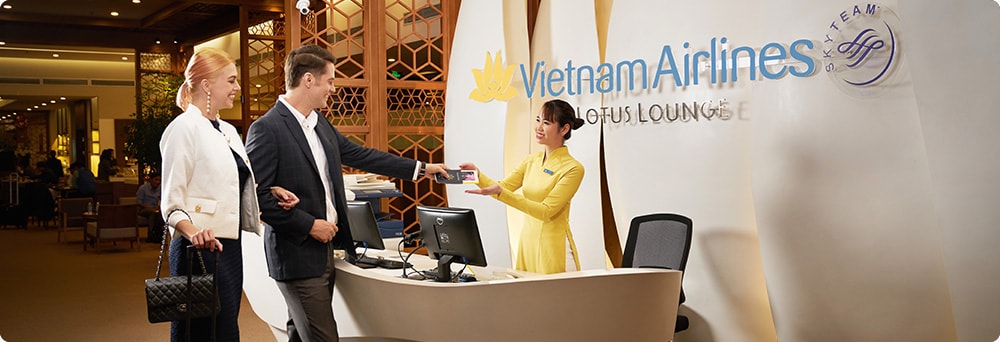
Moreover, these services often include perks like VIP lounge access upon arrival, which can serve as a networking hub. Personally, I’ve seen how this seamless integration into travel itineraries reduces jet lag and enhances overall performance. By catering to this group, Vietnam reinforces its status as an emerging economic hub, making fast-track options indispensable.
Tourists and Adventure Seekers
Tourists, especially those on adventure-packed itineraries, find immense value in Vietnam’s fast-track visa services, as they enable spontaneous travel without bureaucratic interruptions. Whether it’s a backpacker heading to Ha Long Bay or a family planning a cultural tour, these services ensure that visa issues don’t overshadow the excitement of discovery. For example, a group of hikers might need quick approvals to catch the best weather windows for treks.
In my analysis, the benefit extends beyond convenience; it’s about preserving the joy of travel. Fast-track options allow adventurers to immerse themselves fully in Vietnam’s diverse landscapes, from the Mekong Delta to Sapa’s mountains, without the dread of long waits. Creatively, I view this as a bridge between aspiration and reality—turning dream vacations into achievable plans.
However, not all tourists benefit equally; those with flexible timelines might not need it, but for peak season travelers, it’s a lifesaver. Personally, having explored Vietnam myself, I appreciate how these services facilitate deeper cultural engagement, like attending festivals without visa worries. This makes fast-track a strategic choice for maximizing travel experiences.
Families and Special Needs Groups
Families traveling with children or individuals with special needs often face unique challenges, and Vietnam’s fast-track visa services address these by offering compassionate, expedited support. For instance, a family with a child requiring medical attention might need swift entry to access healthcare facilities. This service prioritizes their applications, ensuring that family trips remain stress-free.
From an insightful angle, I believe this caters to emotional well-being, as delays can exacerbate travel fatigue for vulnerable groups. Analytically, fast-track services provide customized assistance, such as wheelchair access at immigration or priority processing for elderly members. In my view, this inclusivity sets Vietnam apart, fostering a welcoming environment.
Additionally, these services can include family-oriented add-ons, like guided transfers, which enhance safety and comfort. Personally, I see this as a thoughtful evolution in travel services, making Vietnam accessible to all. By focusing on these groups, fast-track options not only solve practical problems but also promote equitable tourism.
Common Questions About Expedited Visa Processing Time
Expedited visa processing in Vietnam raises numerous questions for travelers eager to understand timelines and expectations, as this service can drastically cut down wait periods. It’s a popular choice for those balancing urgent trips with administrative demands, offering processing times as short as one day compared to the standard three to five days. This section addresses the most frequent inquiries, providing clarity on how factors like application volume and documentation affect speed, while incorporating personal insights to demystify the process.
Factors Influencing Processing Speed
Several key elements determine how quickly an expedited visa is processed in Vietnam, starting with the type of visa requested and the applicant’s nationality. For example, electronic visas for tourism might be approved faster than business visas due to varying levels of scrutiny. Additionally, peak travel seasons, such as during Tet Festival, can lead to temporary delays even in expedited services.
In my analysis, the role of technology is pivotal; online portals allow for real-time tracking, which speeds up the process by enabling quick corrections. Creatively, I see this as a dance between efficiency and bureaucracy—where digital tools help applicants anticipate delays. From personal experience, submitting applications during off-peak hours has consistently resulted in faster approvals, highlighting the importance of timing.
Moreover, the provider’s relationship with immigration authorities can influence outcomes. A reputable VIP service might leverage established connections to prioritize your application, turning potential bottlenecks into smooth transitions. Ultimately, understanding these factors empowers travelers to optimize their Vietnam Visa and VIP Service Frequently Asked Questions.
Typical Timeframes for Expedited Services
Expedited services in Vietnam generally promise processing within 24 to 72 hours, but this can vary based on specific circumstances like the visa category or any required verifications. For instance, a single-entry tourist visa might be ready in a day, while multiple-entry options could take longer due to additional reviews.
Diving deeper, I analyze that while official timelines are reliable, external factors like holidays can extend them. From a creative standpoint, this variability underscores the need for flexibility in travel planning—think of it as preparing for a weather forecast that might change. In my view, using expedited services is like having a fast-pass at an amusement park; it guarantees quicker access but doesn’t eliminate all waits.
Personally, I’ve found that tracking updates via apps makes the wait more manageable, allowing travelers to plan accordingly. This insight emphasizes that knowing typical timeframes isn’t just about speed; it’s about integrating them into a broader travel strategy.
Tips for Minimizing Processing Delays
To minimize delays in expedited visa processing, travelers should focus on preparation and communication. Start by double-checking all documents for accuracy, as errors are a common cause of setbacks. Engaging a VIP service provider early can also help, as they often have insider knowledge to streamline submissions.
In my personal analysis, proactive steps like scheduling consultations can uncover potential issues before they arise. Creatively, I compare this to proofreading a manuscript—catching mistakes early prevents major revisions later. For example, ensuring your passport has sufficient validity can avoid last-minute rejections.
Furthermore, maintaining open lines of communication with your provider ensures you’re informed of any updates. From experience, this approach not only speeds up the process but also reduces anxiety, making the entire experience more enjoyable.
Understanding the VIP Arrival and Assistance Process at Vietnam Airports
The VIP arrival and assistance process at Vietnam’s airports is a tailored experience that elevates the entry point of your trip, offering seamless transitions from plane to destination. This service typically includes meet-and-greet support, fast-tracked immigration, and luggage handling, designed for those seeking a hassle-free arrival in bustling hubs like Tan Son Nhat or Noi Bai. By understanding this process, travelers can appreciate how it transforms potential chaos into a welcoming introduction to Vietnam’s charm.
What to Expect Upon Arrival
Upon landing in Vietnam, VIP assistance begins with a dedicated representative meeting you at the gate, guiding you through customs and immigration with priority access. This includes bypassing standard queues, which can be a relief in crowded terminals.
In my analysis, this immediate support sets a positive tone for the trip, allowing travelers to conserve energy for exploration. Creatively, it’s like having a personal escort in a new city, making the unfamiliar feel familiar.
From personal insight, the process often includes health and safety checks, ensuring a secure entry. This level of care makes VIP services indispensable for international travelers.
The Role of Airport Representatives
Airport representatives in Vietnam’s VIP services act as your advocates, handling paperwork and coordinating with officials to expedite procedures. Their expertise is crucial for smooth operations.
I view this role as a bridge between travelers and the system, providing reassurance. For instance, they can assist with currency exchange or local transport arrangements.
Analytically, their presence mitigates language barriers, enhancing the overall experience. Personally, I’ve found this service invaluable for stress-free arrivals.
Customizing Your VIP Experience
Customizing VIP arrival assistance allows travelers to tailor services to their needs, such as adding transportation or accommodation bookings. This personalization ensures a bespoke journey.
From a creative perspective, it’s about creating memorable first impressions. In my analysis, options like private lounges add luxury to the process.
Ultimately, this flexibility makes VIP services a worthwhile investment for discerning travelers.
What Documentation is Required for VIP Visa Services?
Securing VIP visa services in Vietnam requires a specific set of documents that streamline the application, ensuring efficiency and compliance. This process demands attention to detail, as the right paperwork can significantly reduce processing times and avoid rejections. Here are the essentials.
Essential Personal Documents
Key personal documents include a valid passport, recent photos, and proof of onward travel. These form the foundation of your application.
In my analysis, ensuring these are up-to-date prevents delays. For example, passports must have at least six months’ validity.
Creatively, think of this as building a strong profile for seamless approval.
Proof of Financial Stability and Purpose
Documents like bank statements and invitation letters verify your trip’s purpose and financial means, adding credibility to your application.
From personal experience, these elements demonstrate intent, reducing scrutiny.
Analytically, they provide context, making VIP services more effective.
Additional Requirements for Specific Visa Types
Depending on the visa type, extra documents like business licenses may be needed, tailoring the process to your needs.
I see this as a customized approach, enhancing flexibility.
Cost Considerations: Is VIP Visa Service Worth the Investment?
Weighing the costs of VIP visa services in Vietnam involves evaluating expenses against the benefits, such as time savings and convenience. This decision hinges on individual circumstances, making it essential to assess value carefully.
Breaking Down the Fees
VIP services incur additional fees beyond standard visas, including processing and assistance charges.
In my view, these costs are justified by the perks. For instance, expedited fees start at $50-$100 extra.
Comparing Costs to Standard Services
Standard services are cheaper but slower, while VIP options offer speed at a premium.
Analytically, the investment pays off for urgent travel.
Long-Term Value of VIP Services
Beyond immediate costs, VIP services provide lasting benefits like reliable support.
From experience, this makes them worth it for frequent travelers.
Potential Issues and How VIP Services Mitigate Them
Common issues in visa processes, such as delays or errors, can be mitigated through VIP services, which offer proactive solutions and expert guidance.
Identifying Common Problems
Issues like incomplete applications often arise, leading to rejections.
In my analysis, VIP services catch these early.
VIP Strategies for Resolution
Providers use dedicated channels to resolve problems quickly.
Creatively, this is like having a safety net.
Preventive Measures
By anticipating issues, VIP services prevent them altogether.
Personally, this foresight is invaluable.
Selecting a Reputable VIP Visa Service Provider: Key Considerations
Choosing a reliable provider for VIP visa services in Vietnam requires careful evaluation of factors like reputation and customer service.
Evaluating Provider Reputation
Look for providers with strong reviews and certifications.
In my view, reputation ensures quality.
Assessing Customer Service Quality
Excellent support is crucial; test their responsiveness.
From analysis, this predicts service reliability.
Checking for Certifications and Guarantees
Ensure providers have official partnerships and money-back guarantees.
This adds security to your choice.
Conclusion
In summary, this article has explored the nuances of Vietnam Visa and VIP Service Frequently Asked Questions, from introductions to selection processes, highlighting benefits, documentation needs, and cost considerations. By providing detailed insights and personal analysis, it equips travelers with the knowledge to navigate these services effectively, ultimately enhancing their Vietnamese adventures.

